You've raised your Series A: congratulations. You have 18-24 months of runway to prove that your product can scale. The technical decisions you make in the next 6 months will determine whether you hit your growth targets or spend your Series B fixing the mistakes of your Series A. After working with dozens of post-funding startups, here are the decisions that matter most.
Infrastructure: Prepare for 10x Before You Need It
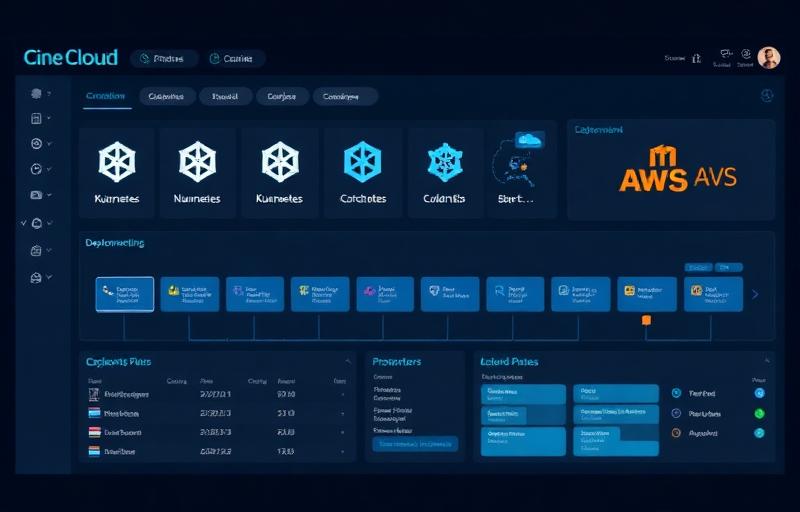
Your MVP infrastructure probably involves a single server, a managed database, and prayers. That got you here, but it won't get you to Series B. Before your next growth spike, you need horizontal scaling capability (your application should run across multiple instances behind a load balancer), database read replicas (separate read-heavy analytics queries from write-heavy application queries), CDN for static assets, and basic auto-scaling policies.
You don't need Kubernetes yet: that's a Series B investment for most companies. But you do need containerized deployments (Docker), infrastructure-as-code (Terraform), and the ability to provision a new environment in hours, not days.
Team Scaling: Grow Deliberately
The temptation after funding is to hire 15 engineers immediately. Resist it. Rapid hiring without the right foundations leads to inconsistent code quality, tribal knowledge, communication overhead, and ultimately slower delivery: the exact opposite of what you intended.
- Establish coding standards and automated linting before you double the team
- Set up a proper PR review process with documented review criteria
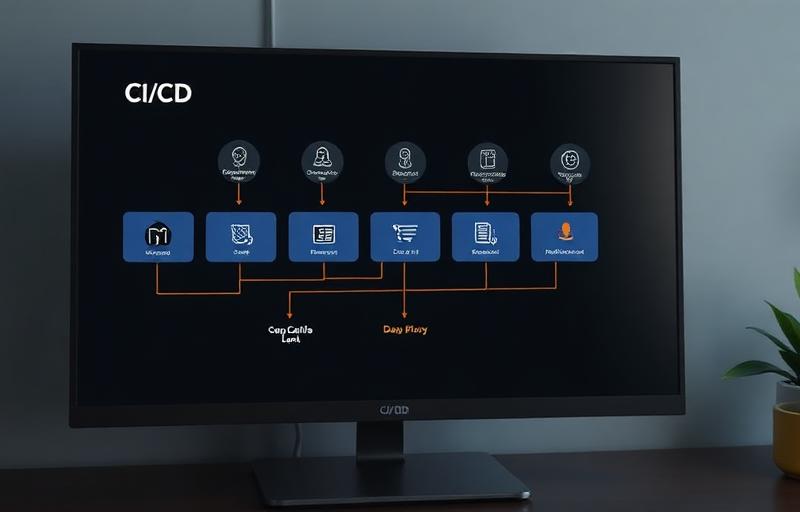
- Invest in CI/CD so that new engineers can ship safely from their first week
- Grow in pods of 3-5 engineers, each with clear domain ownership
- Hire a senior engineering manager before you have more than 8 engineers
Multi-Tenancy: Get It Right Now
If you're building B2B SaaS, multi-tenancy architecture is critical and extremely expensive to retrofit later. You have three options: shared database with tenant ID column (simplest, suitable for most startups), schema-per-tenant (better isolation, more complex operations), or database-per-tenant (strongest isolation, highest cost and complexity).
For most Series A companies, shared database with row-level security is the right answer. It's operationally simple, cost-effective, and provides adequate isolation for most use cases. Just make sure every query is tenant-scoped and enforce this with database-level policies, not just application-level checks.
API Design: Your Future Depends on It
Your API contract is a promise to your customers, your integrations, and your future self. Get it right now because changing it later is extraordinarily painful. Version your API from day one (v1 in the URL path), design resources around business concepts rather than database tables, document every endpoint (we recommend OpenAPI/Swagger), and plan for backward compatibility.
The APIs you design at Series A will still be serving traffic at Series D. Invest in getting them right: it's one of the highest-leverage technical decisions you'll make.
Internationalization: Plan Now, Build Later
You probably don't need to support multiple languages or currencies today. But if international expansion is on your 2-year roadmap, you need to make architectural decisions now that make it possible later. Use i18n libraries from the start (even if you only have English), store all timestamps in UTC, support multi-currency in your data model (even if you only charge in USD), and avoid hardcoding locale-specific formatting.
Observability: You Can't Scale What You Can't See
Before your next growth push, invest in observability: application performance monitoring (Datadog or New Relic), structured logging with correlation IDs across services, error tracking with stack traces and user context (Sentry), and business metrics dashboards that the entire company reviews weekly.
The companies that scale successfully after Series A share a common trait: they make infrastructure, team, and architectural investments before they need them: not after the system is already breaking under load. If you've recently raised and want a technical roadmap for scaling, we offer a focused Architecture Review engagement that produces a prioritized plan for your next 6-12 months.